
The M-shaped society
A paradigm to describe middle class economic malaise in developed nations.
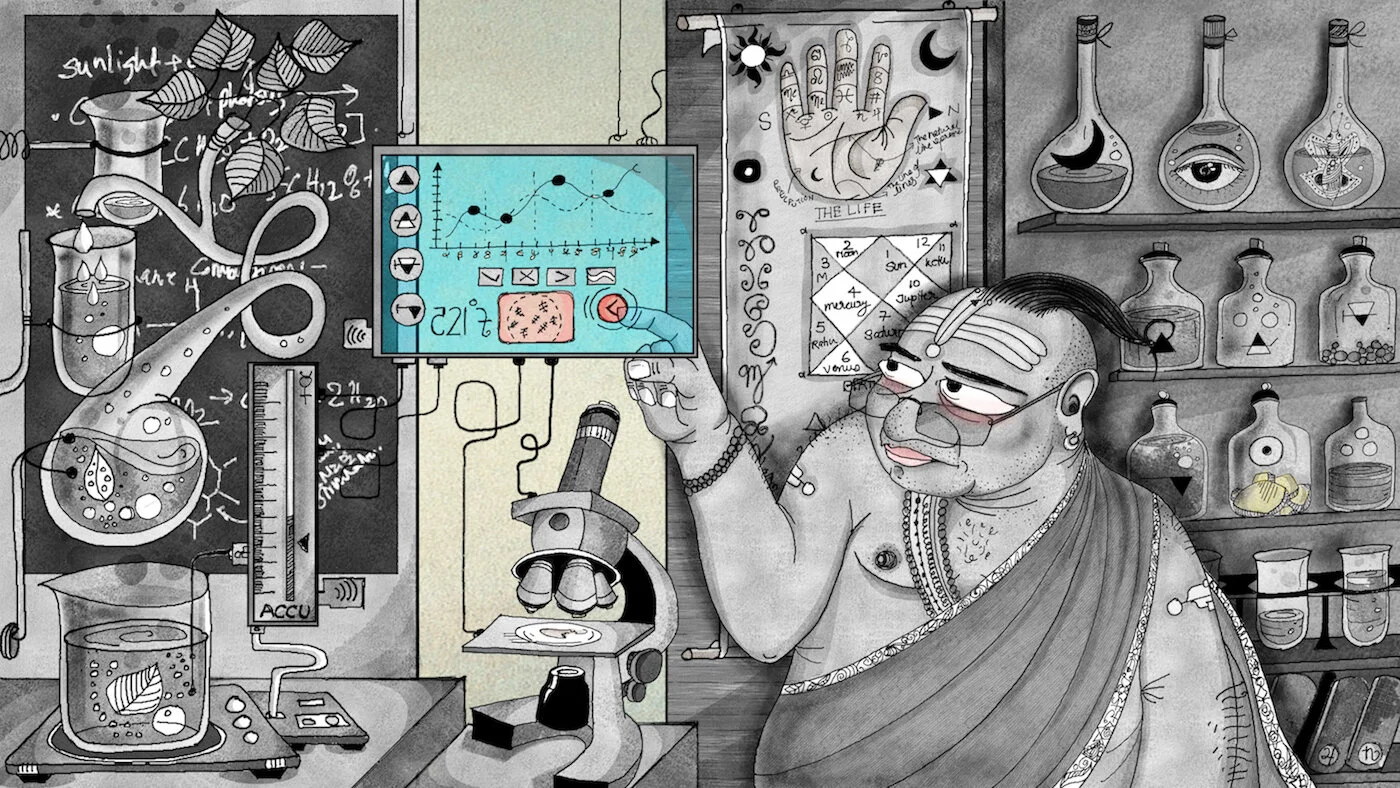
The scientific Indian
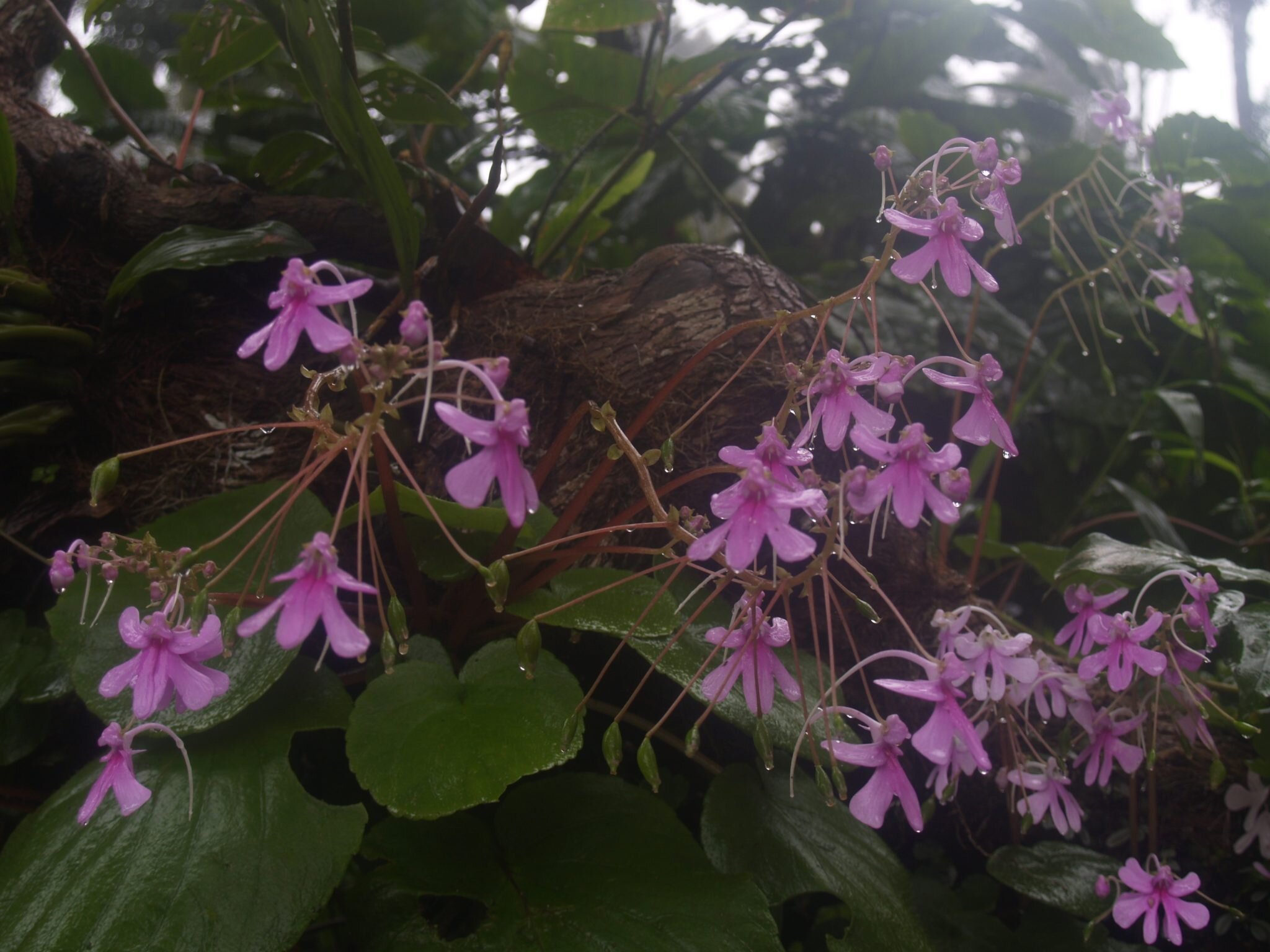
Trop picks: Impatiens
The impatiens of the subcontinent.
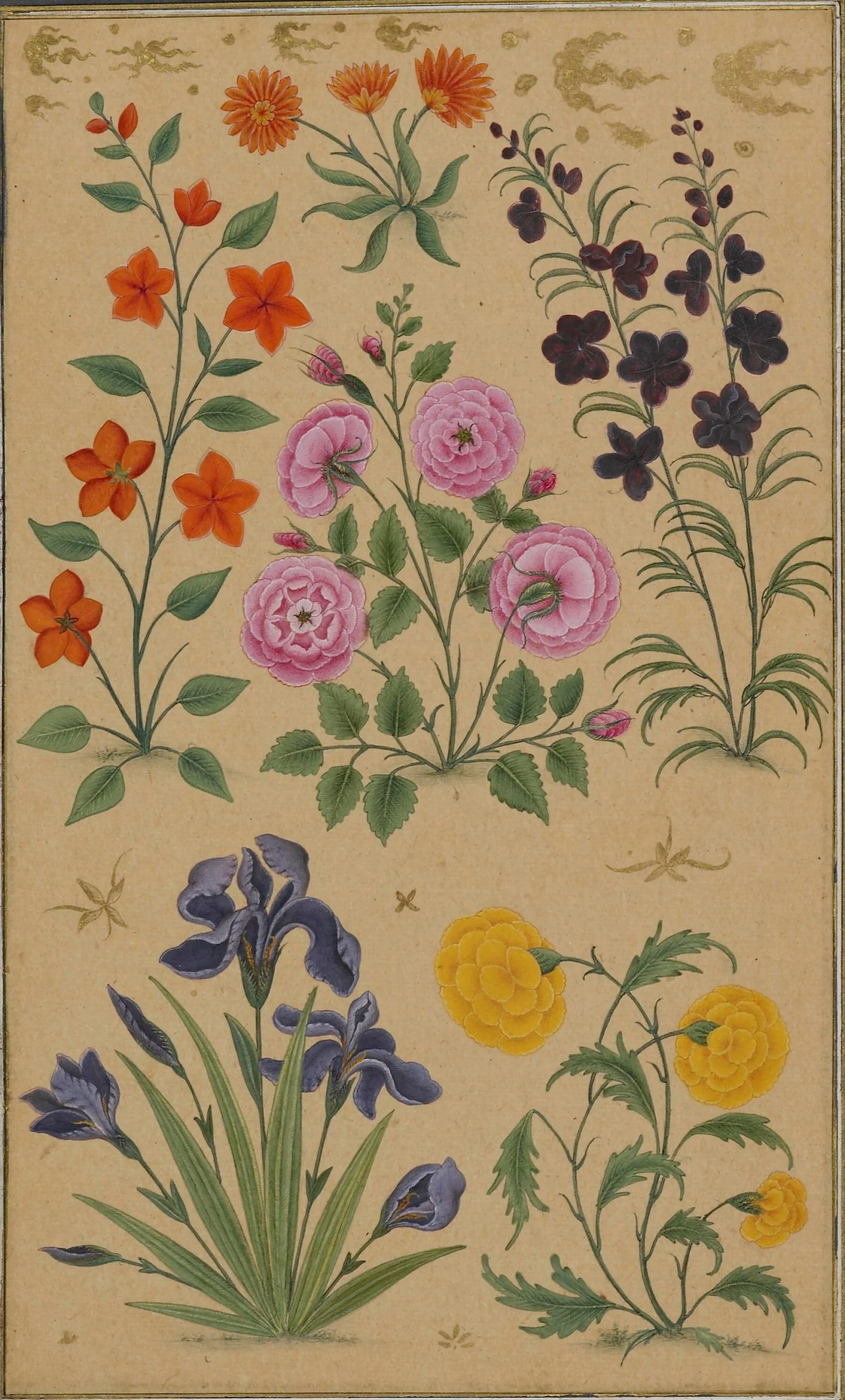
An Islamic environmentalism
Neither biocentric nor anthropocentric but theocentric.
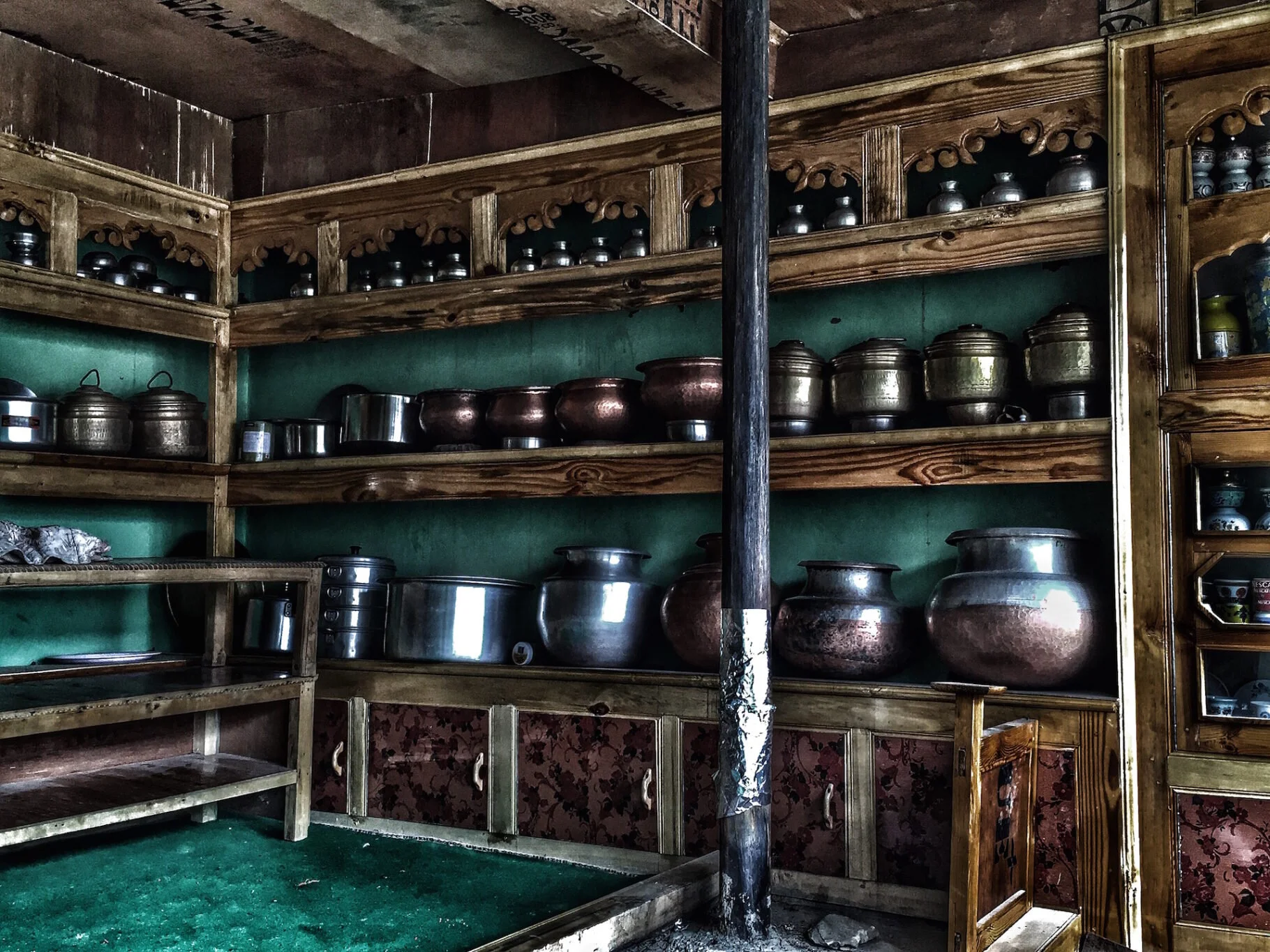
Can traditional medicine become biomedical science?
On the scientization of traditional medicine systems.
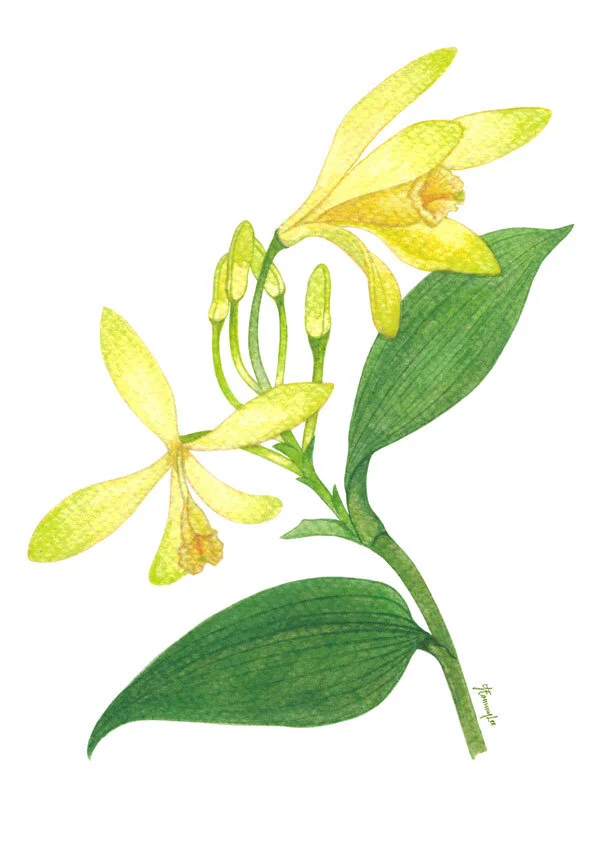
Trop picks: Vanilla
There’s nothing vanilla about vanilla.
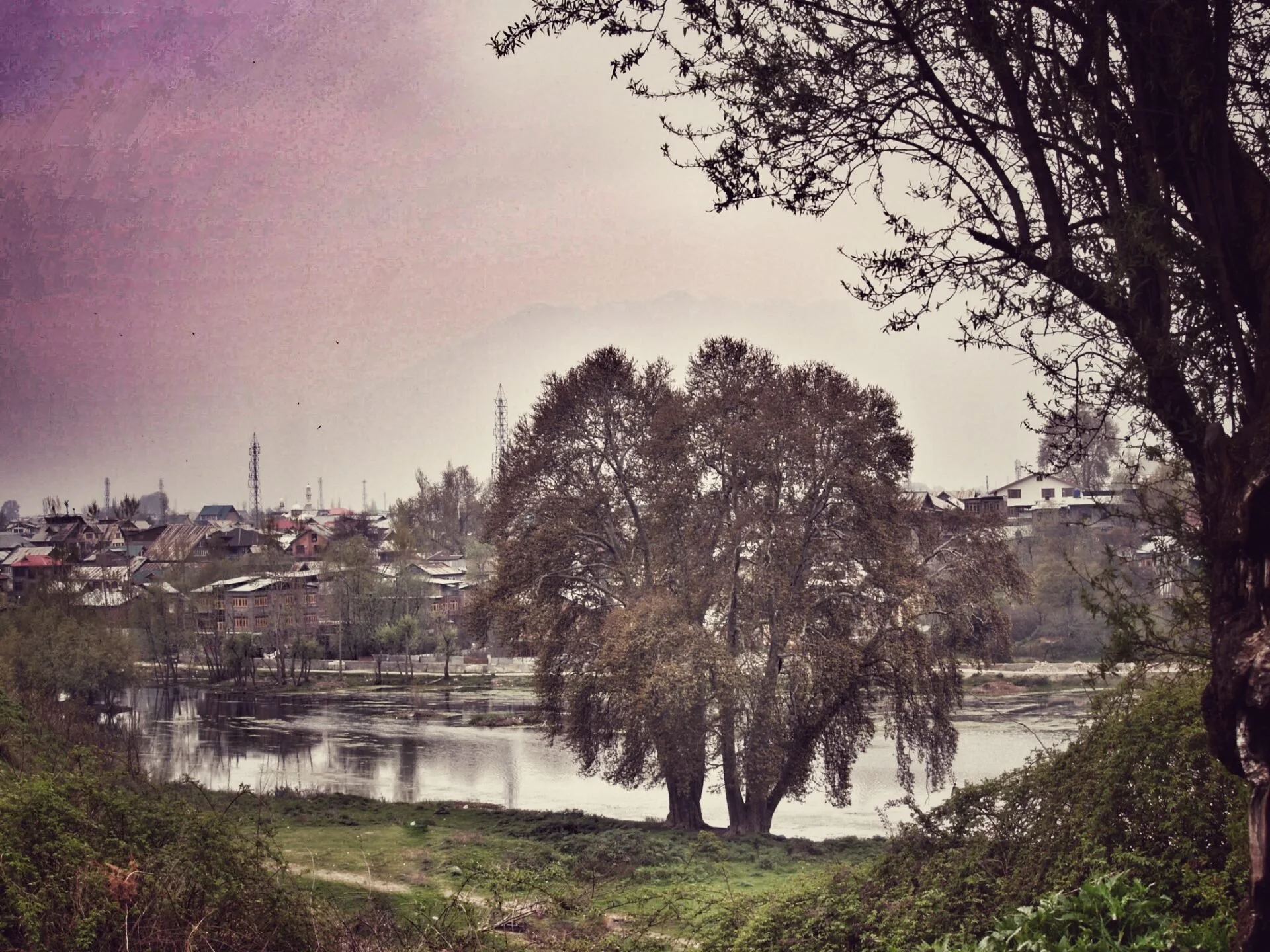
The most beautiful tree in the world
It’s in Kashmir.
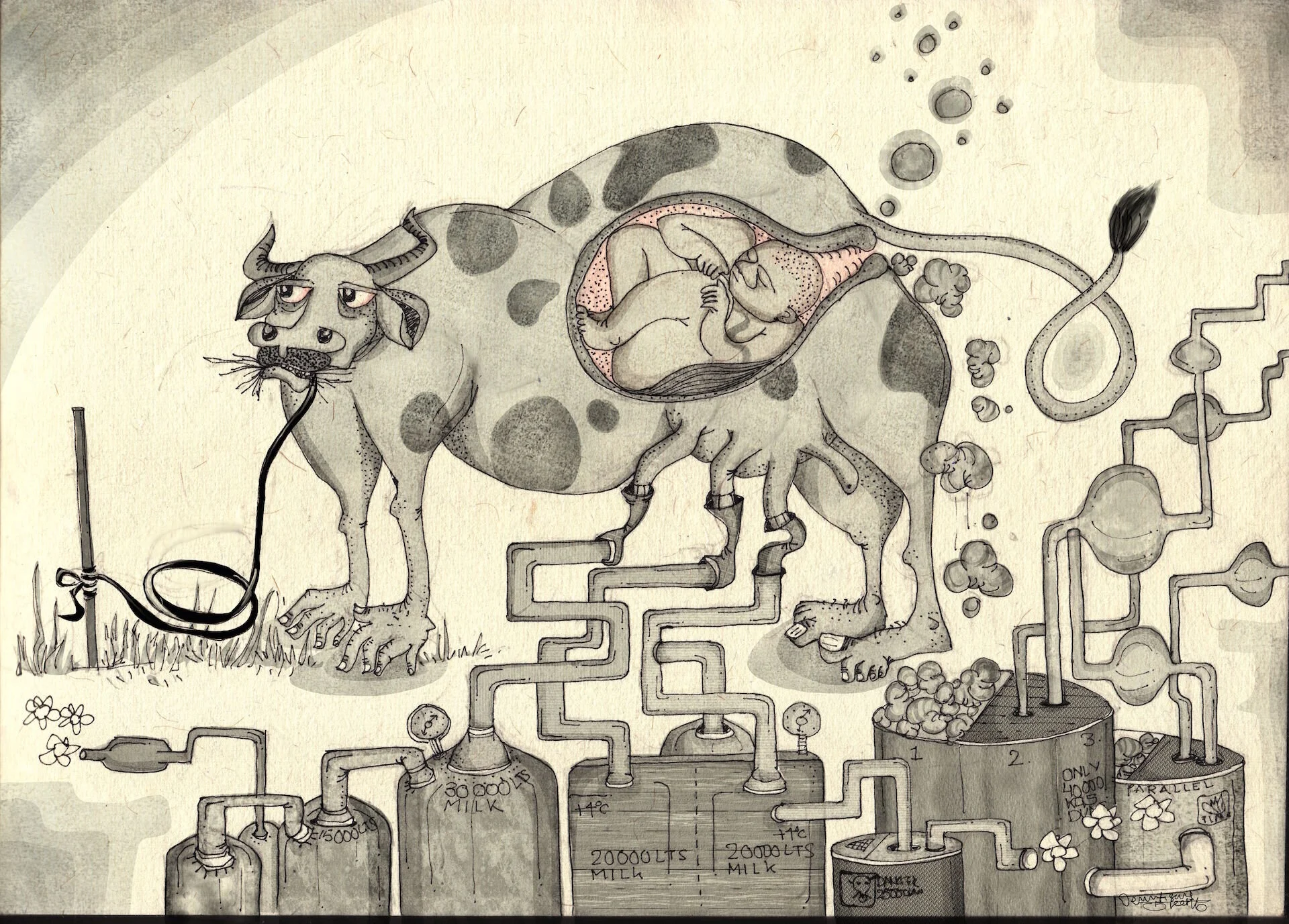
Cows: It's not just the Hindoos
Do Indians actually worship cows?
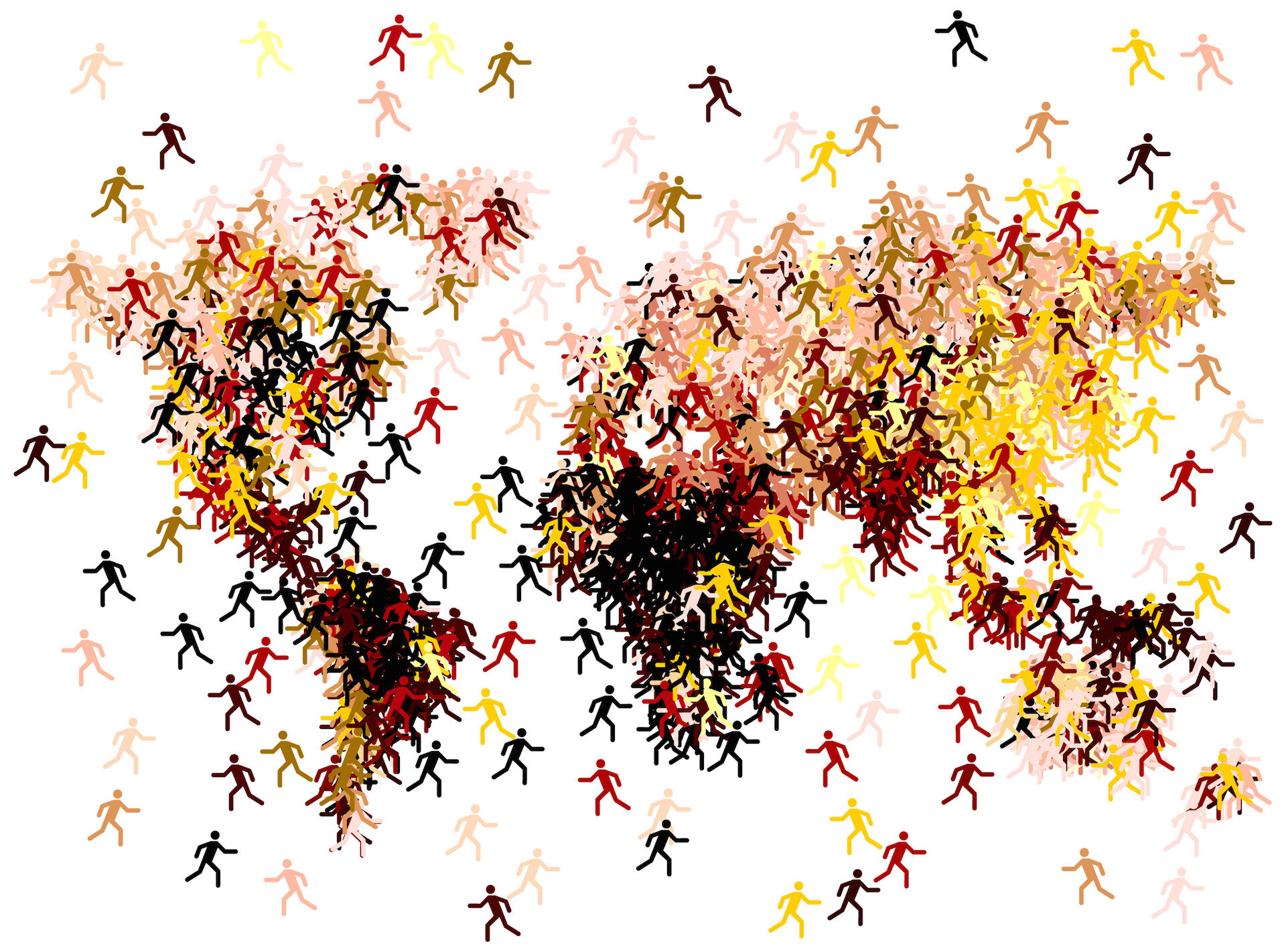
Diaspora diplomacy
The old definitions no longer work, although many people still cling to them.

Trop picks: Lantana
One small flower threatens to bring down an entire ecosystem.
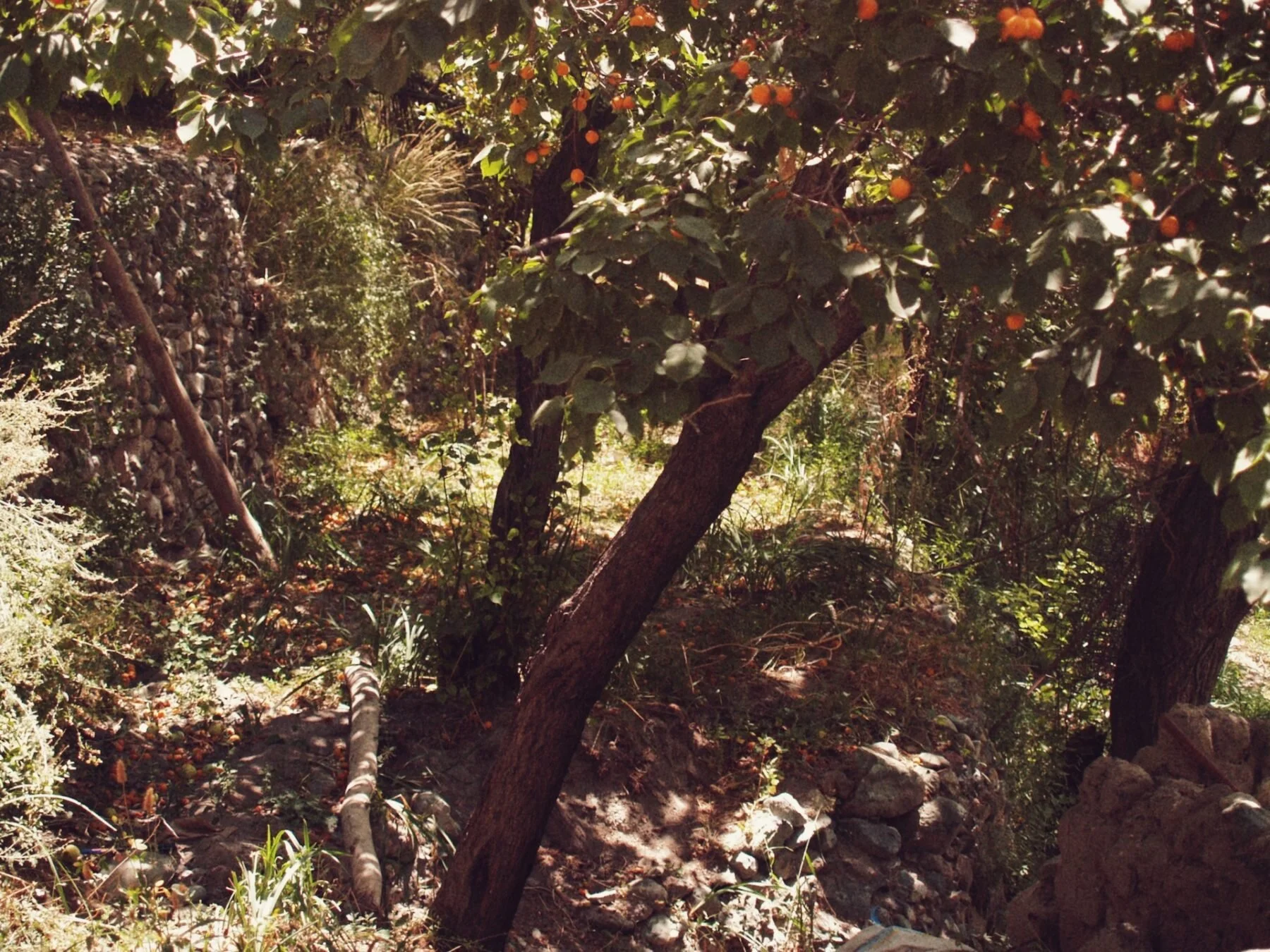
Mountain report: Kargil
A travelogue on Kargil, a Himalayan Shangri-la.

How American history is shaping China's naval strategy
Why projecting naval power has become essential to China’s great power aspirations.
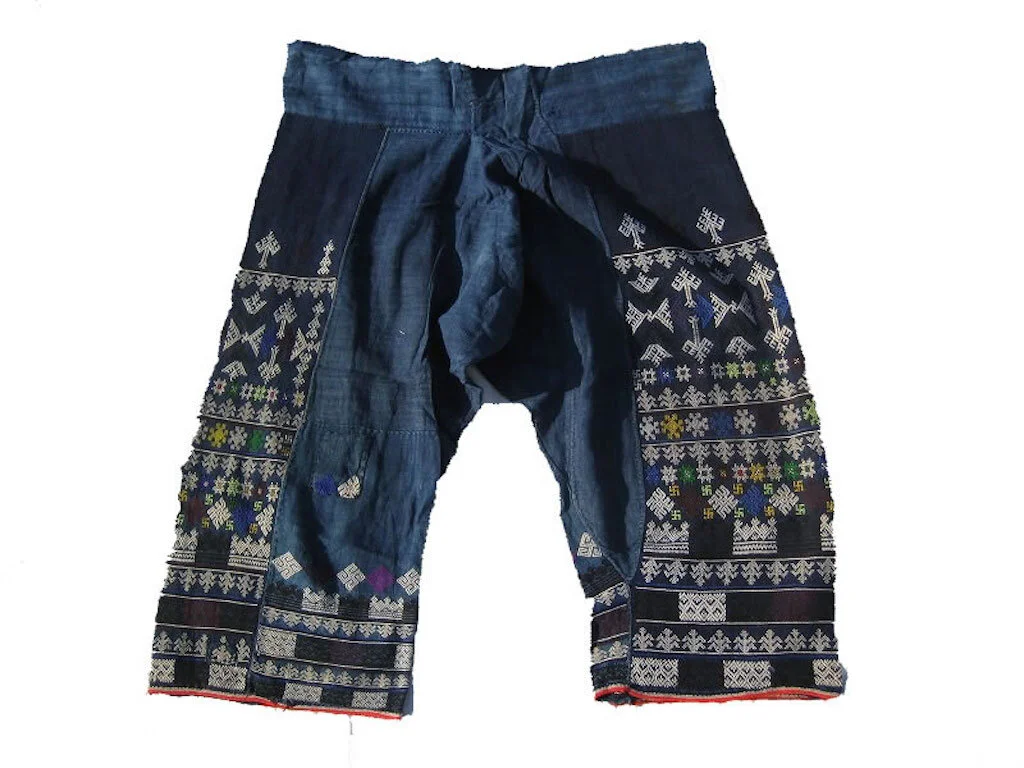
The world’s first pair of jeans
They weren’t Levis.
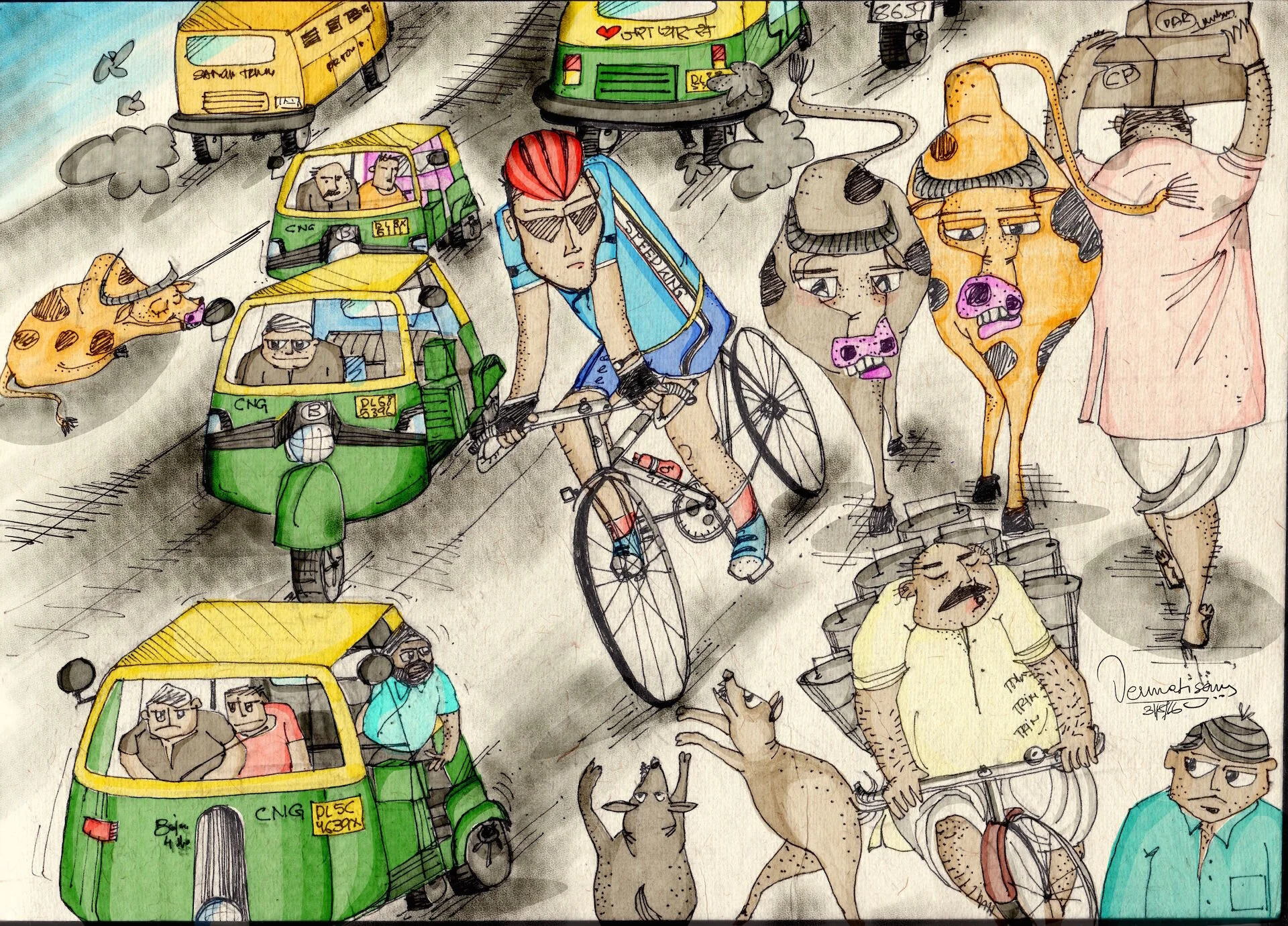
The new romantic hero
An aspirational hobby could be the solution to India’s traffic woes.

Where are the humanities in Asia's schools?
An interview with humanities teacher and author Maya Thiagarajan.
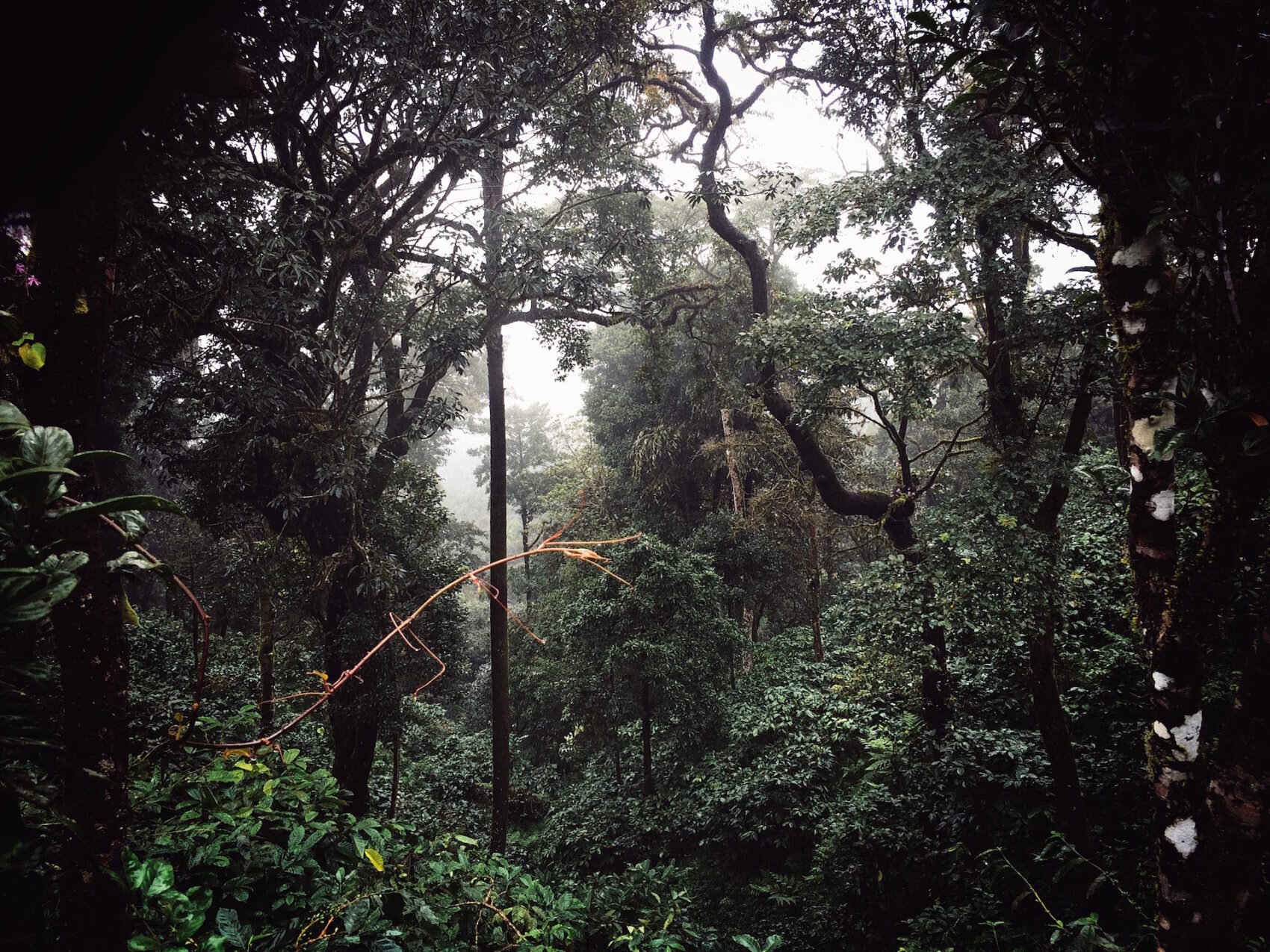
Mountain report: The Southwestern Ghats
A travelogue on the southwestern Ghats of India.
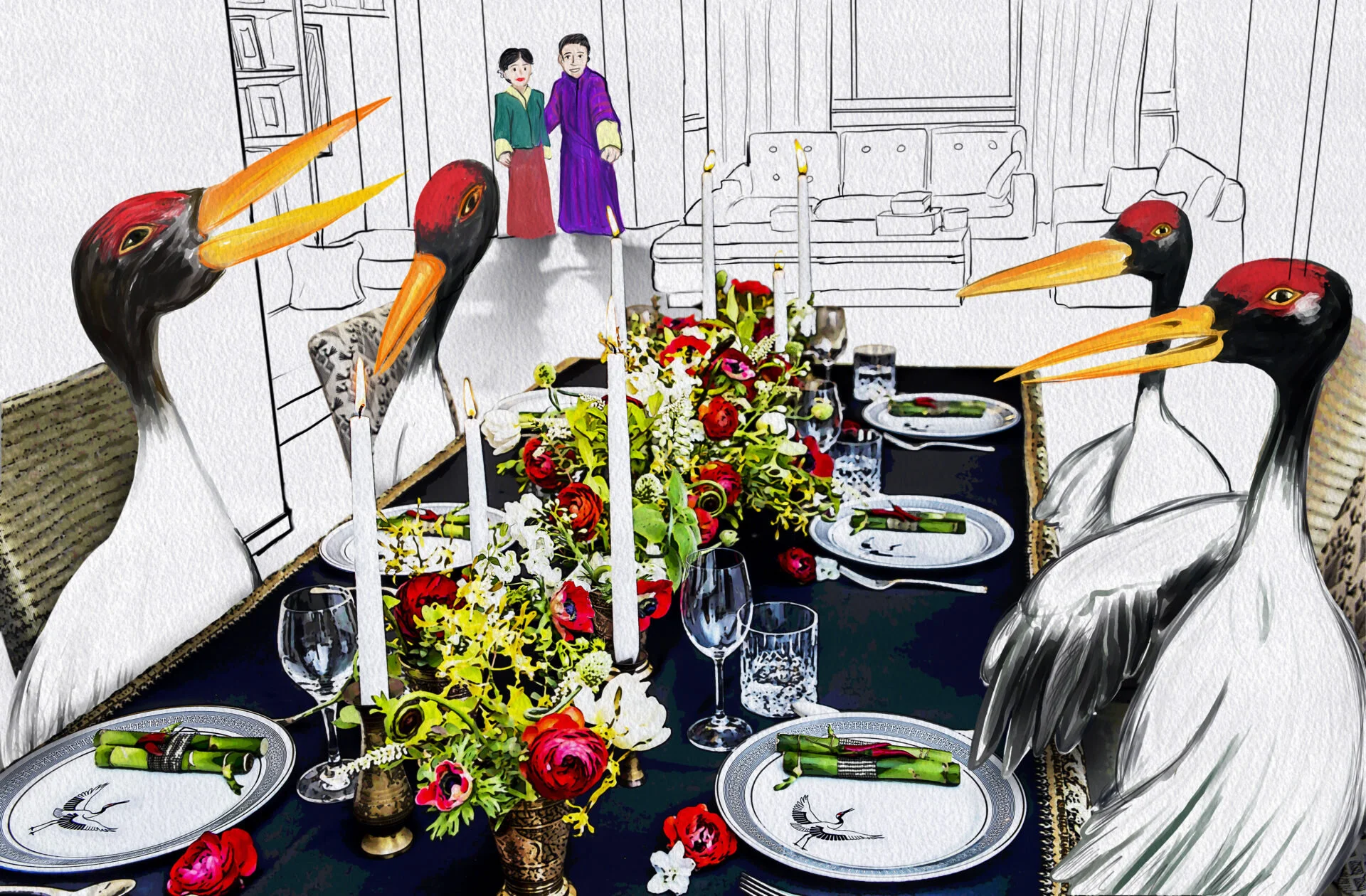
A Bhutanese Dinner Party
On the black-necked crane.
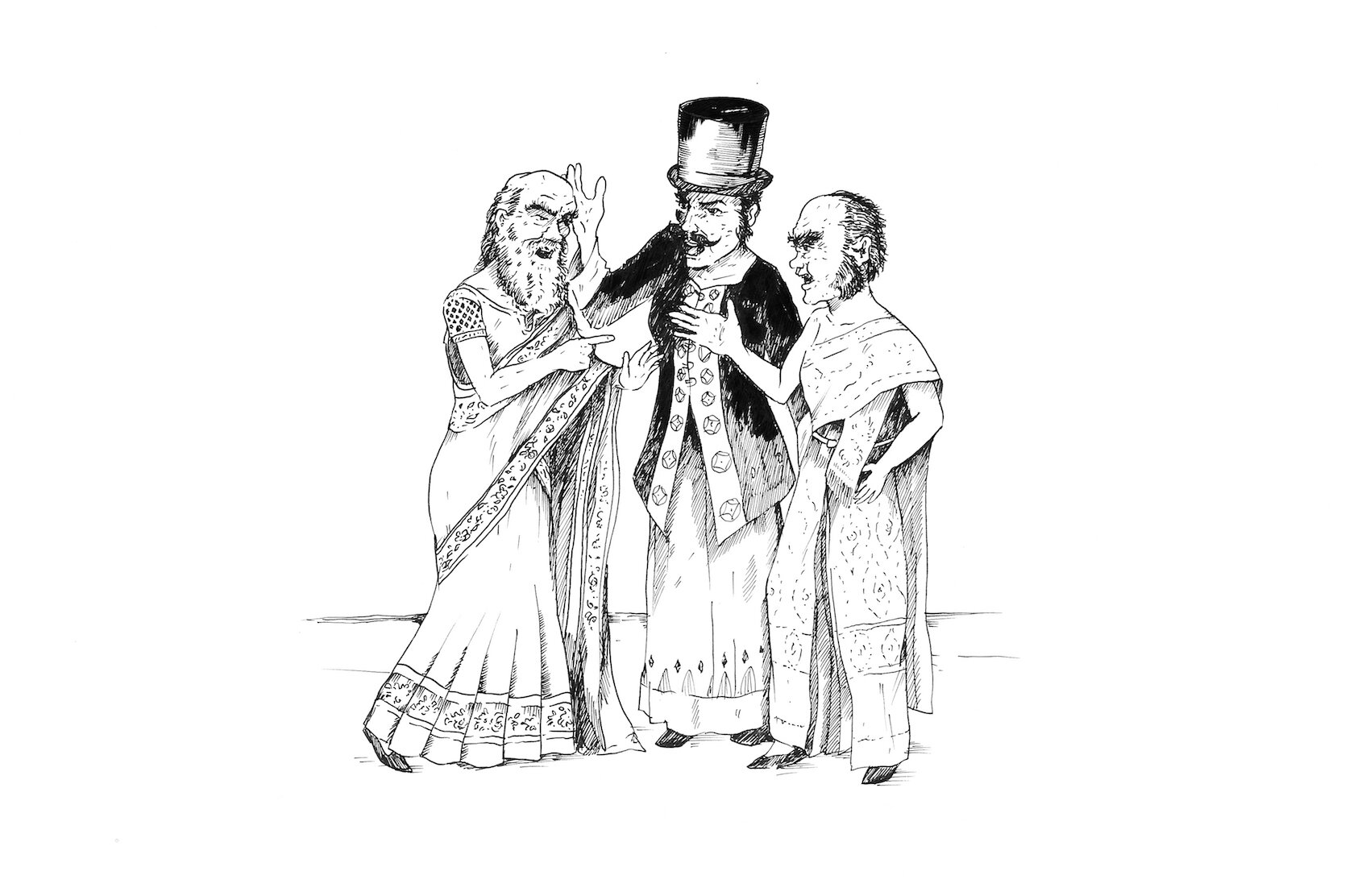
The Line: Can technology solve urban Asia’s woes?
Get your subaltern take on the issues of the day while you do your ironing or whatever.

Towards a new world order?
As long as the economic paradigm of globalized free trade and regressive taxation remains the international norm, wealth may continue to concentrate in the hands of elites that have a decreasing sense of connection with (and accountability to) a society that continues to reflect less cosmopolitan values.

Trop picks: Camphor
The original camphor was a resin of Dryobanalops aromatica, a tree native to Borneo and Sumatra and a highly prized aromatic in international trade long before the Common Era.